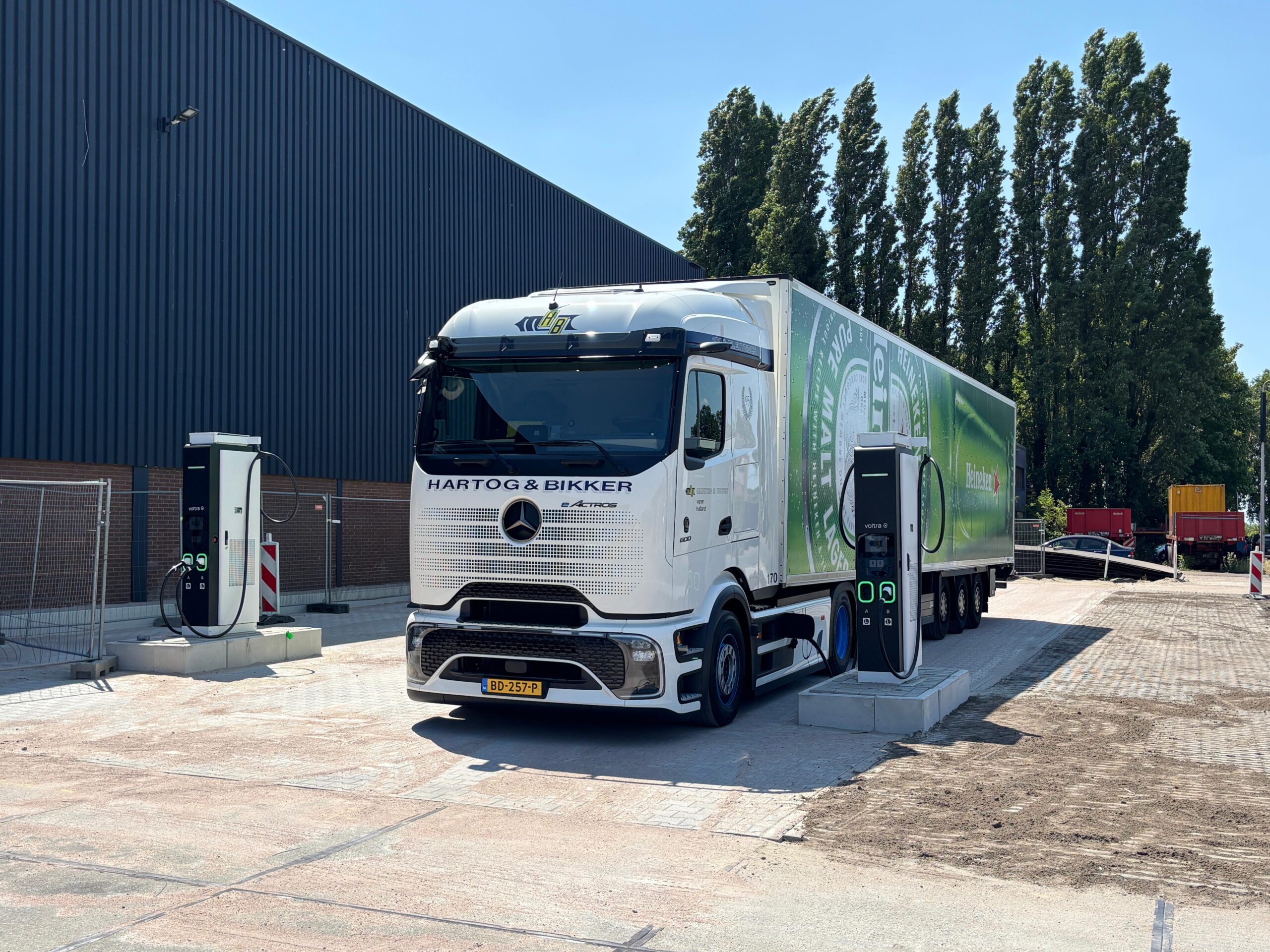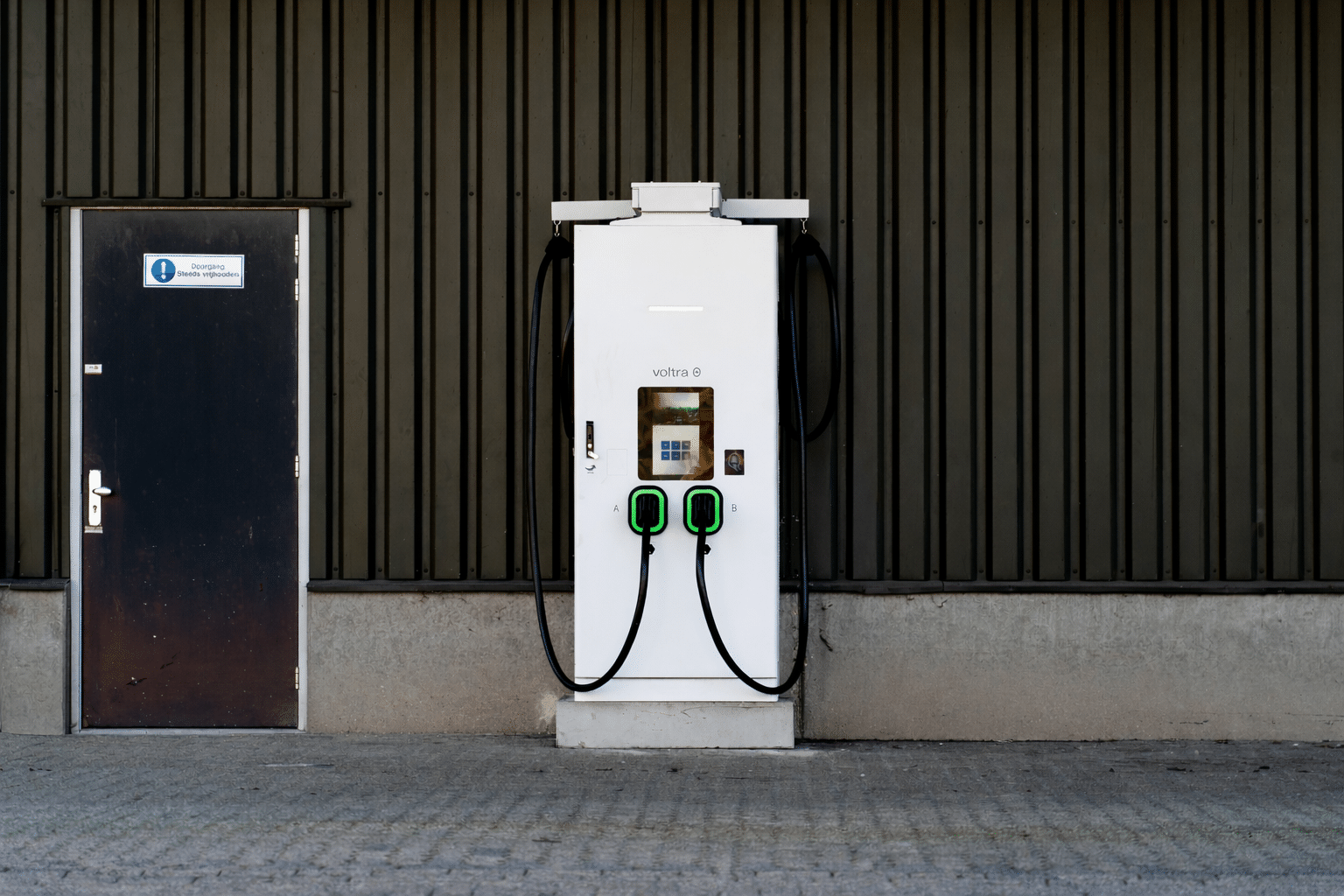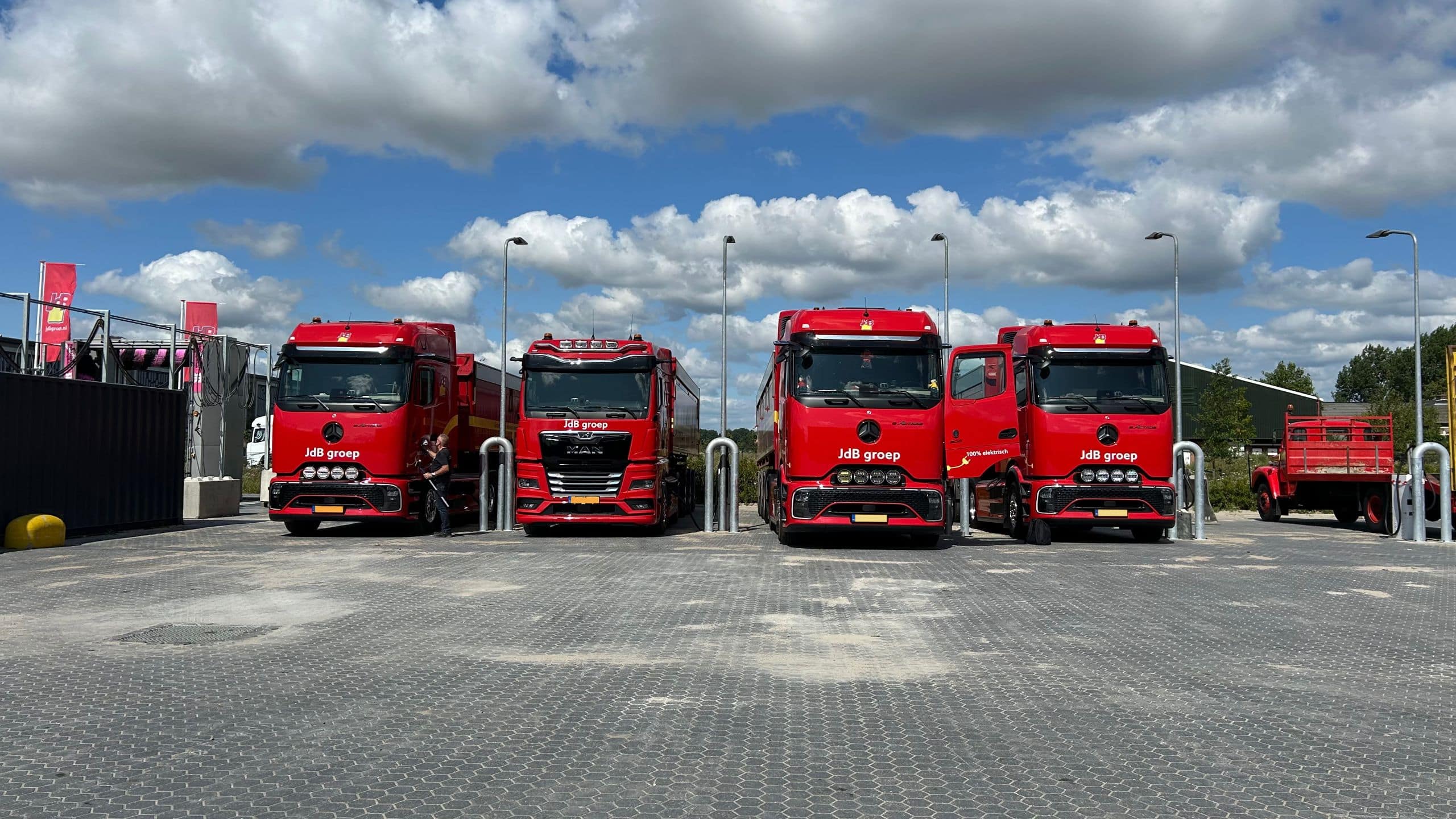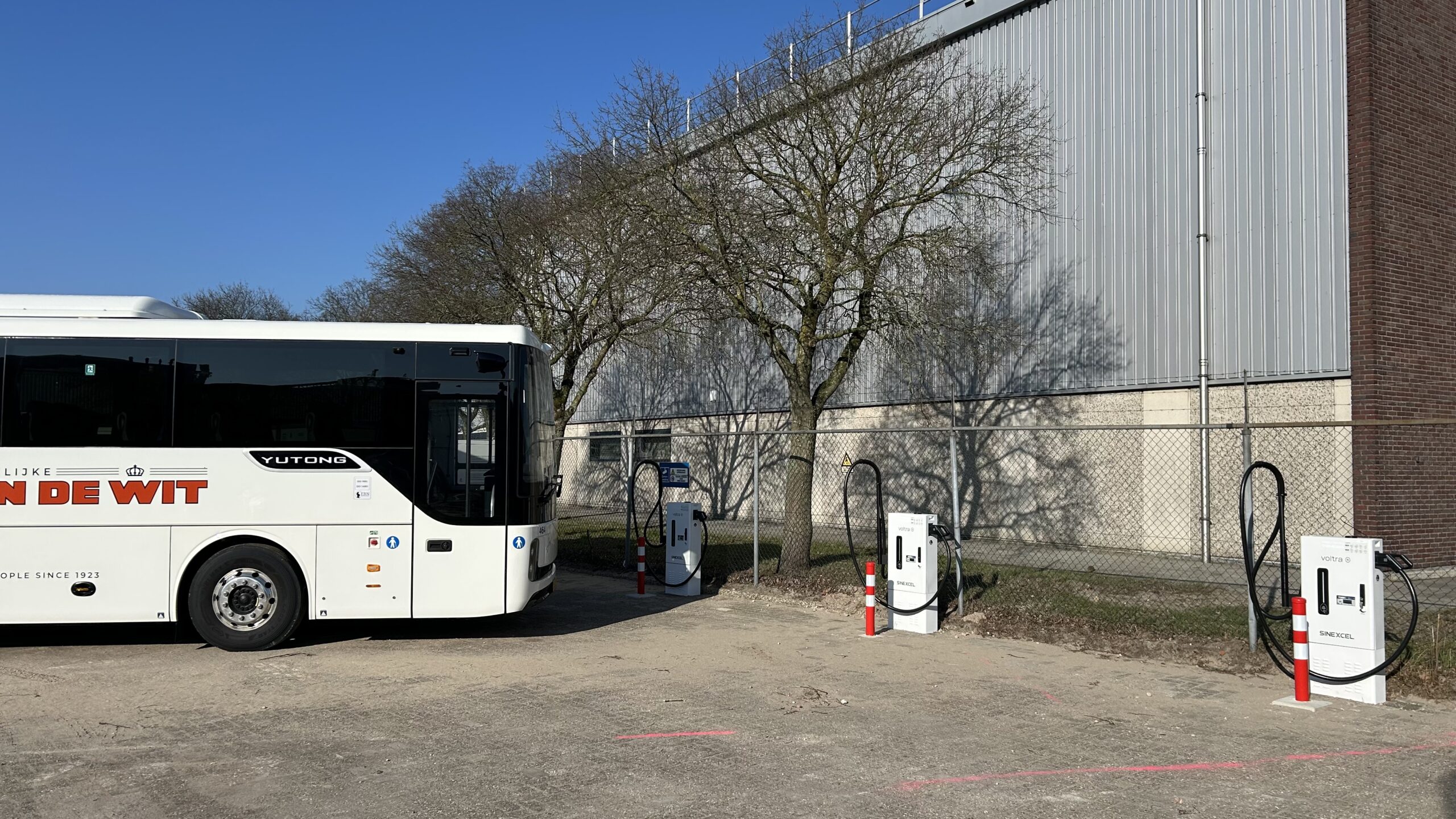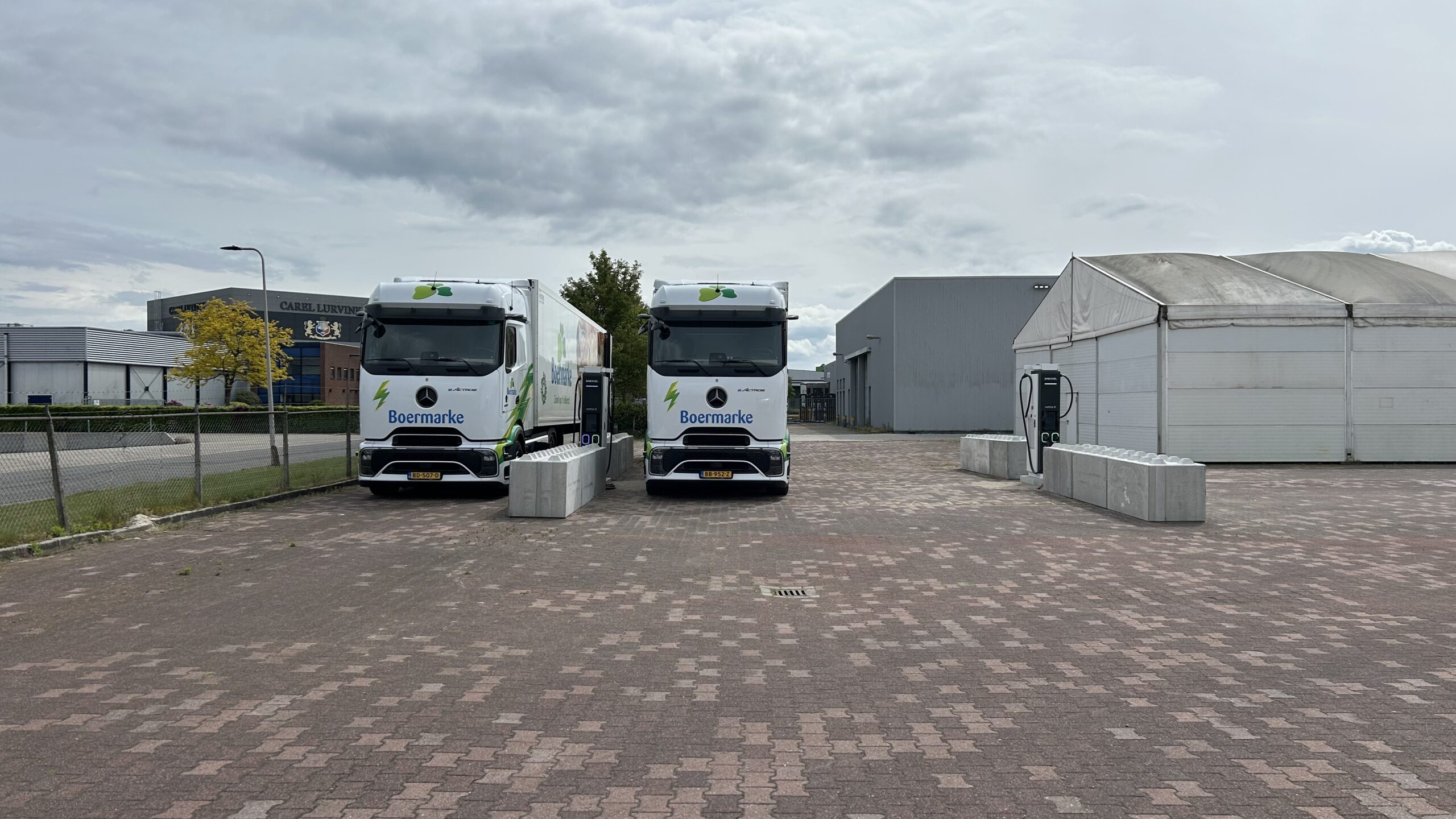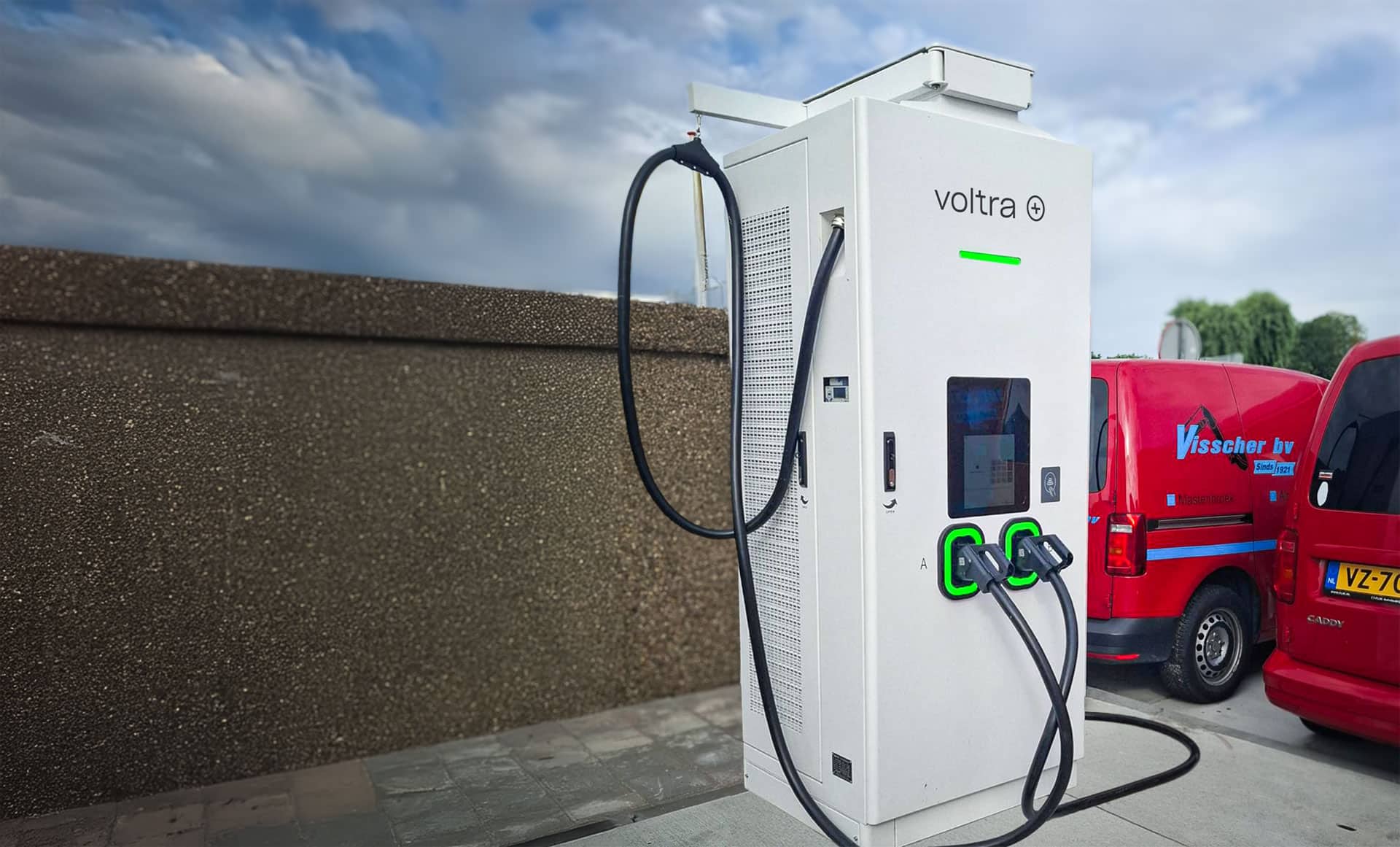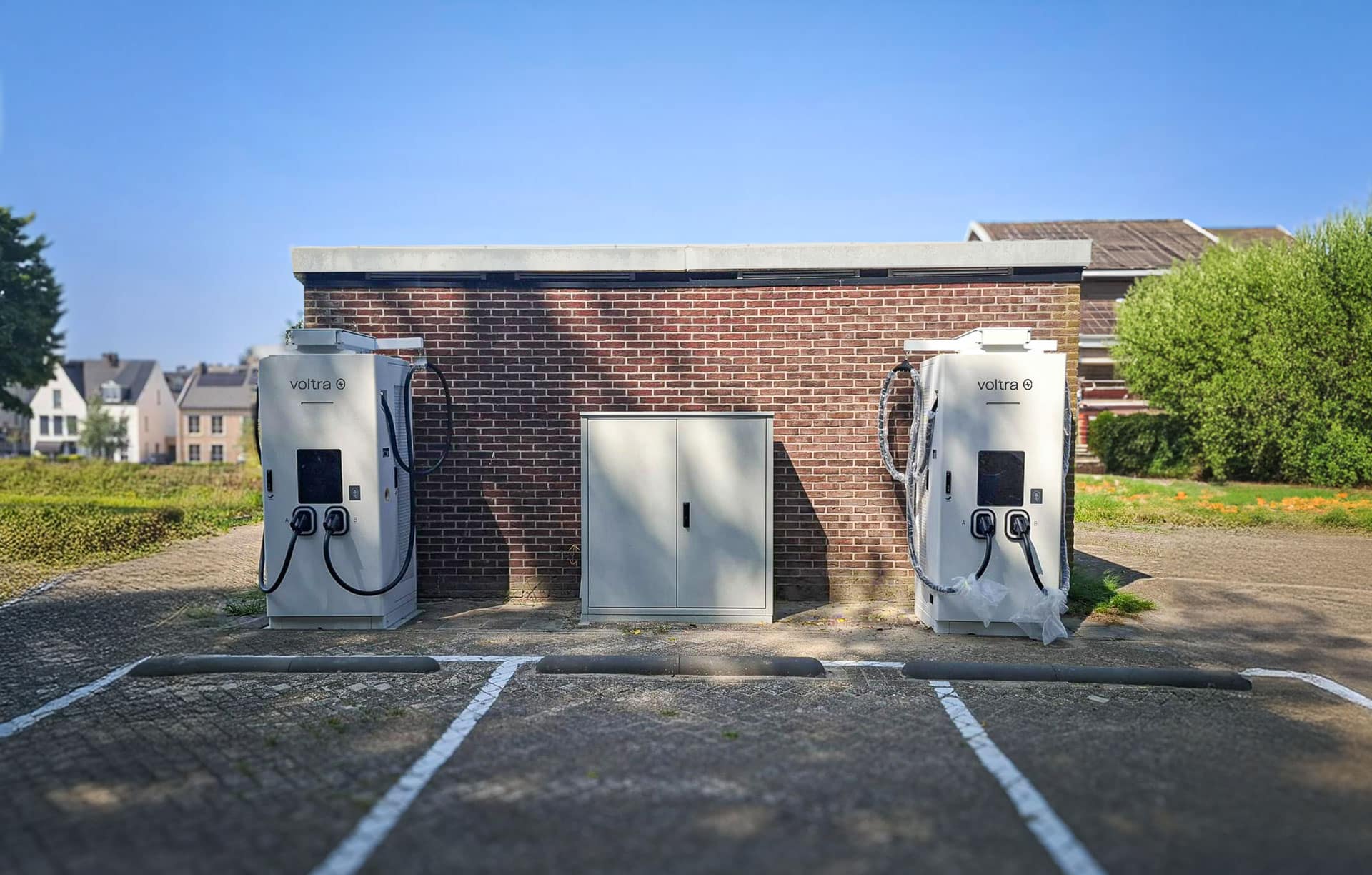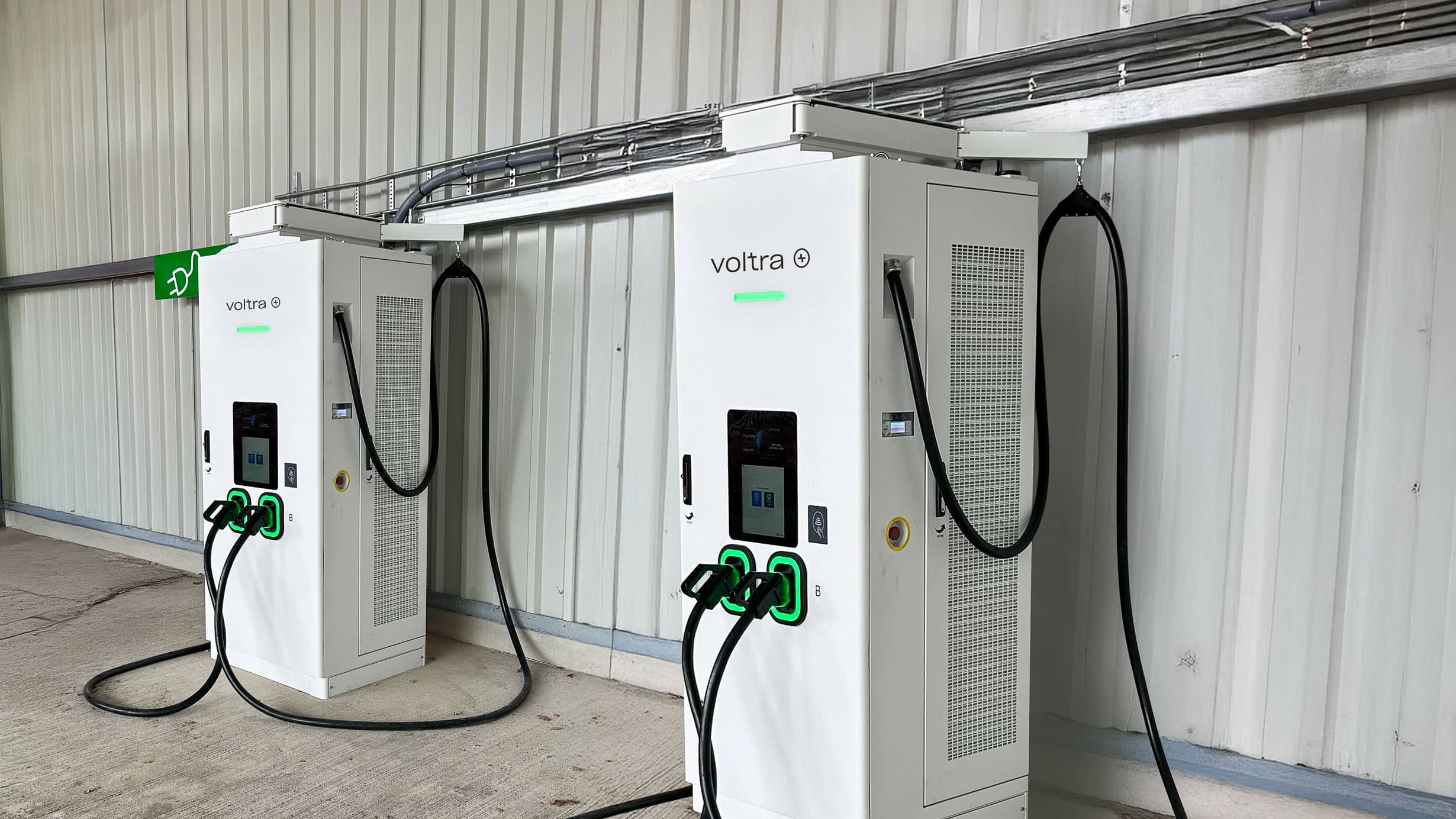

For this project, the challenge was clear: electrify a fleet of buses within a limited space and with a limited grid connection. The solution? Two Voltra All-in-One chargers of 160 kW each, controlled by an Energy Management System.
Efficiency in space and installation
The choice of Voltra All-in-One chargers is strategic. As the name suggests, all technology is integrated in one housing.
-
Space-saving: No need for external power cabinets; ideal for locations where every square metre counts.
-
Ease of installation: The 'plug-and-play' set-up ensures faster installation and lower preparation costs.
-
Maximum capacity: With two charging points per unit, four buses can charge simultaneously, good for a total system capacity of 320 kW.
The solution for grid congestion: Solar, Battery and EMS
Grid congestion is often a barrier to sustainability, but in this project, Den Hartog Zero Emission has shown in collaboration with Generation Green that it can be done differently. By making the chargers not directly dependent on the grid connection, an autonomous and smart energy network was created:
-
Solar panels & Battery: Sustainable energy is generated on site with solar panels. This energy is stored in a local battery system (BESS), allowing charging even when the sun is not shining or the grid connection reaches its limit.
-
Energy Management System (EMS): This is the brains of the installation. The EMS controls the charging stations and balances the energy demand between the solar panels, the battery and the grid. As a result, the buses are efficiently and fully charged at night, without overloading the grid.
A strong business case: Green EREs
Besides the operational benefits, there is a significant financial benefit. By charging buses with renewable energy, Energy Units (EREs) can be generated. These units represent a market value and make the business case for electrification even more attractive.
[Read more about what exactly EREs are and what they deliver? Check out our blog here].