
Tradition and innovation meet at the historic De Zaayer pumping station in Maassluis. On behalf of the Delfland Water Board, Den Hartog Zero Emission modernised the charging infrastructure not only to make its own fleet more sustainable, but also to play a crucial role in the regional logistics chain.
Powerful charging for heavy equipment
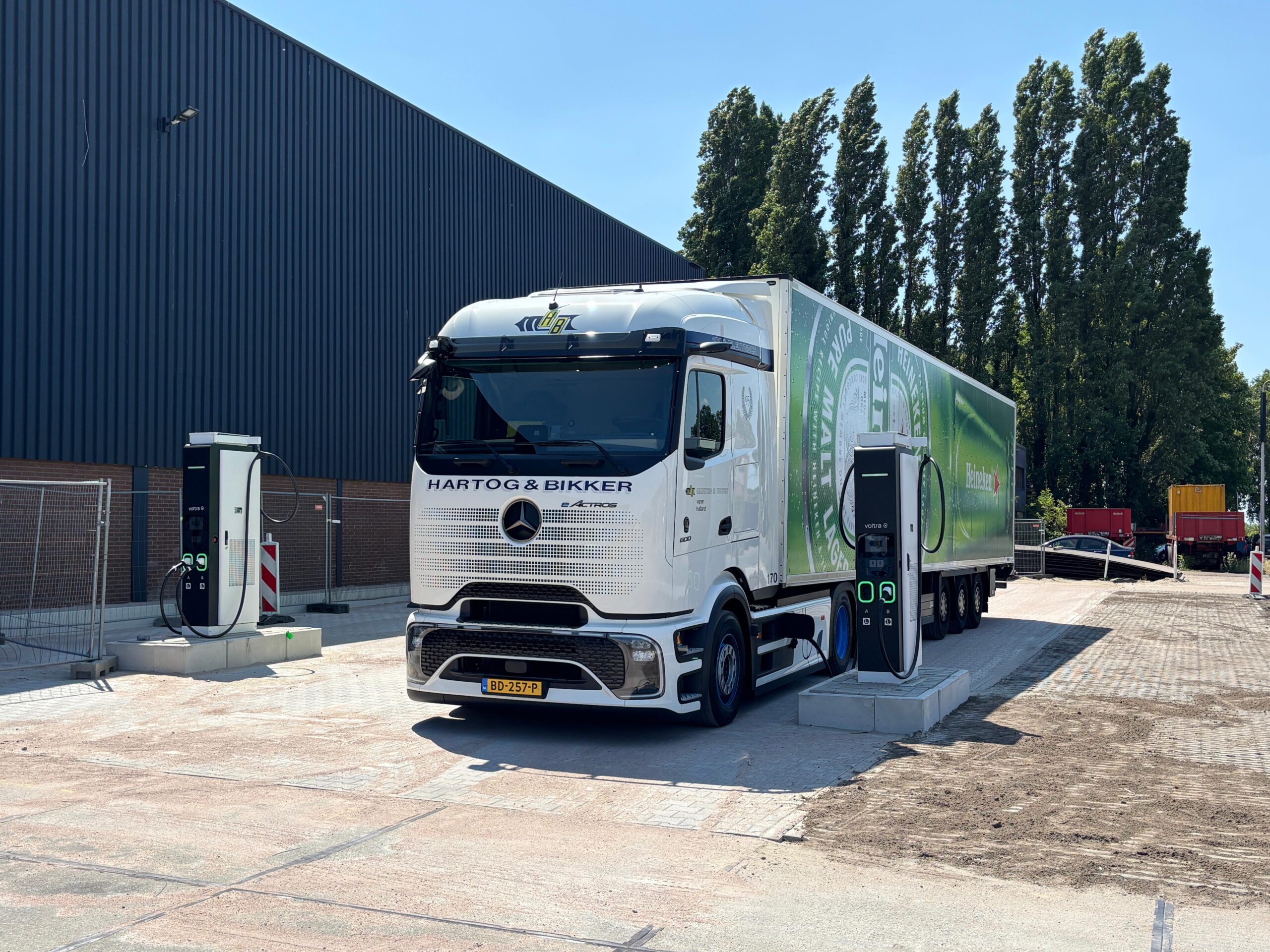
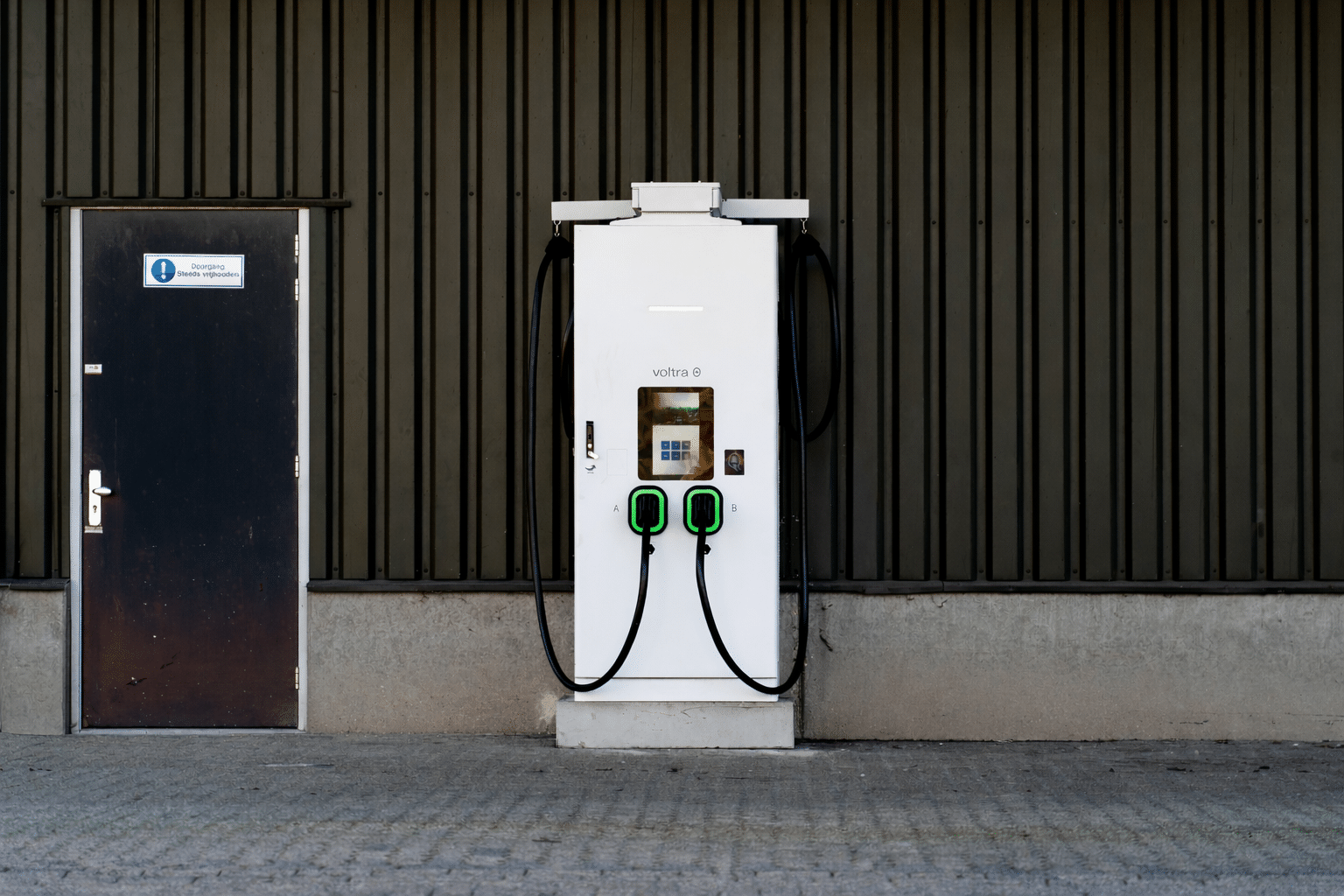
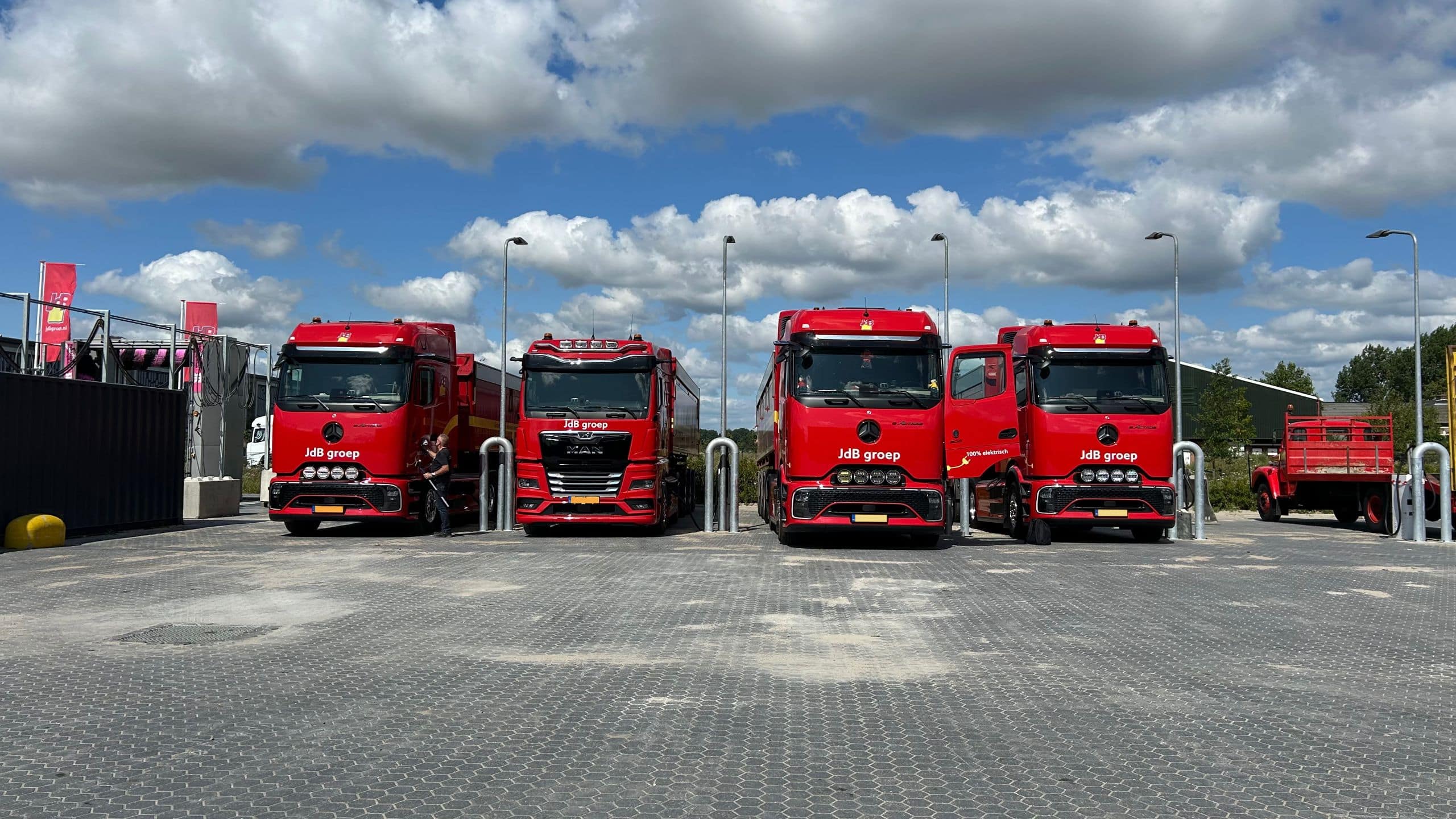
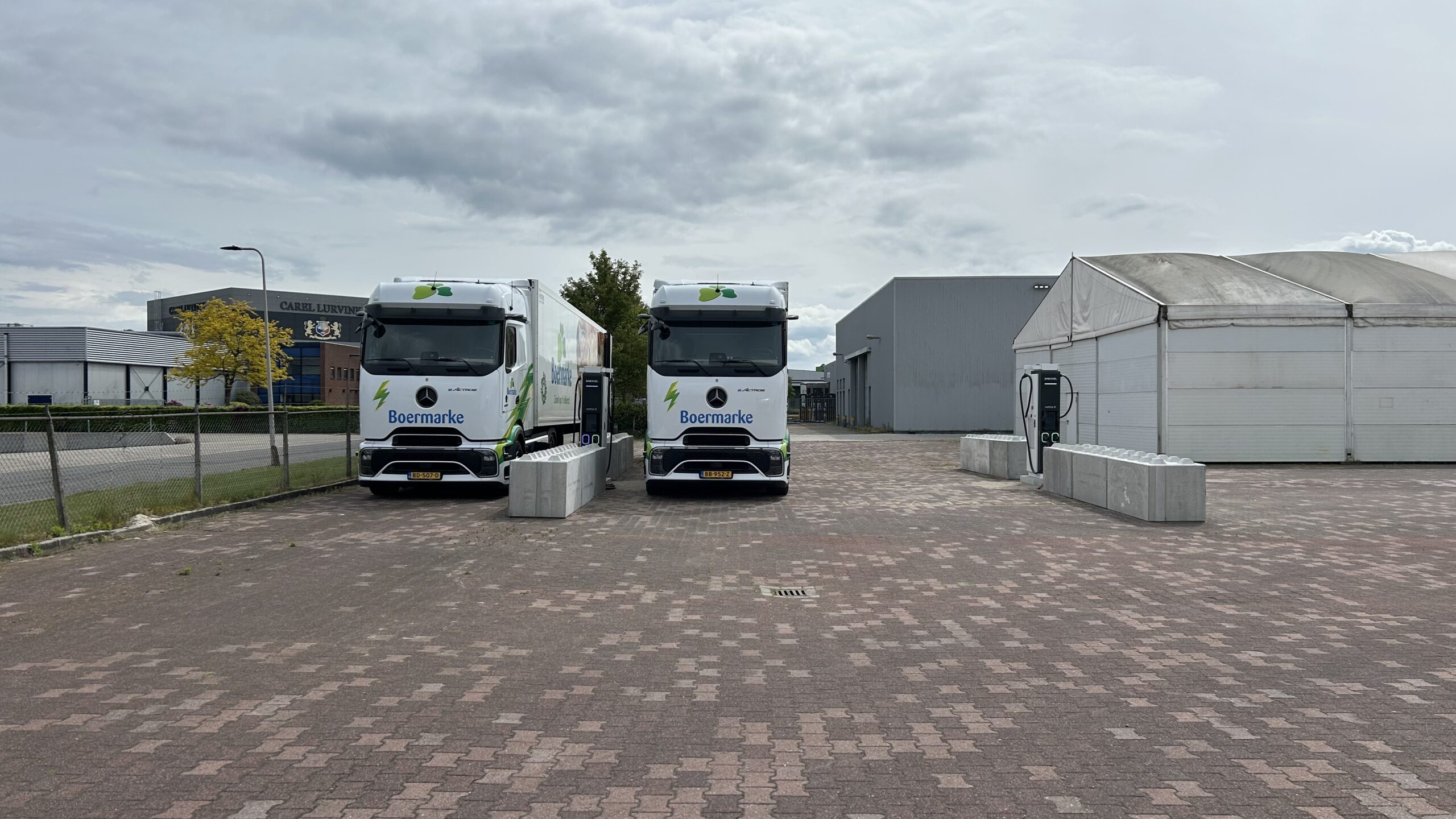
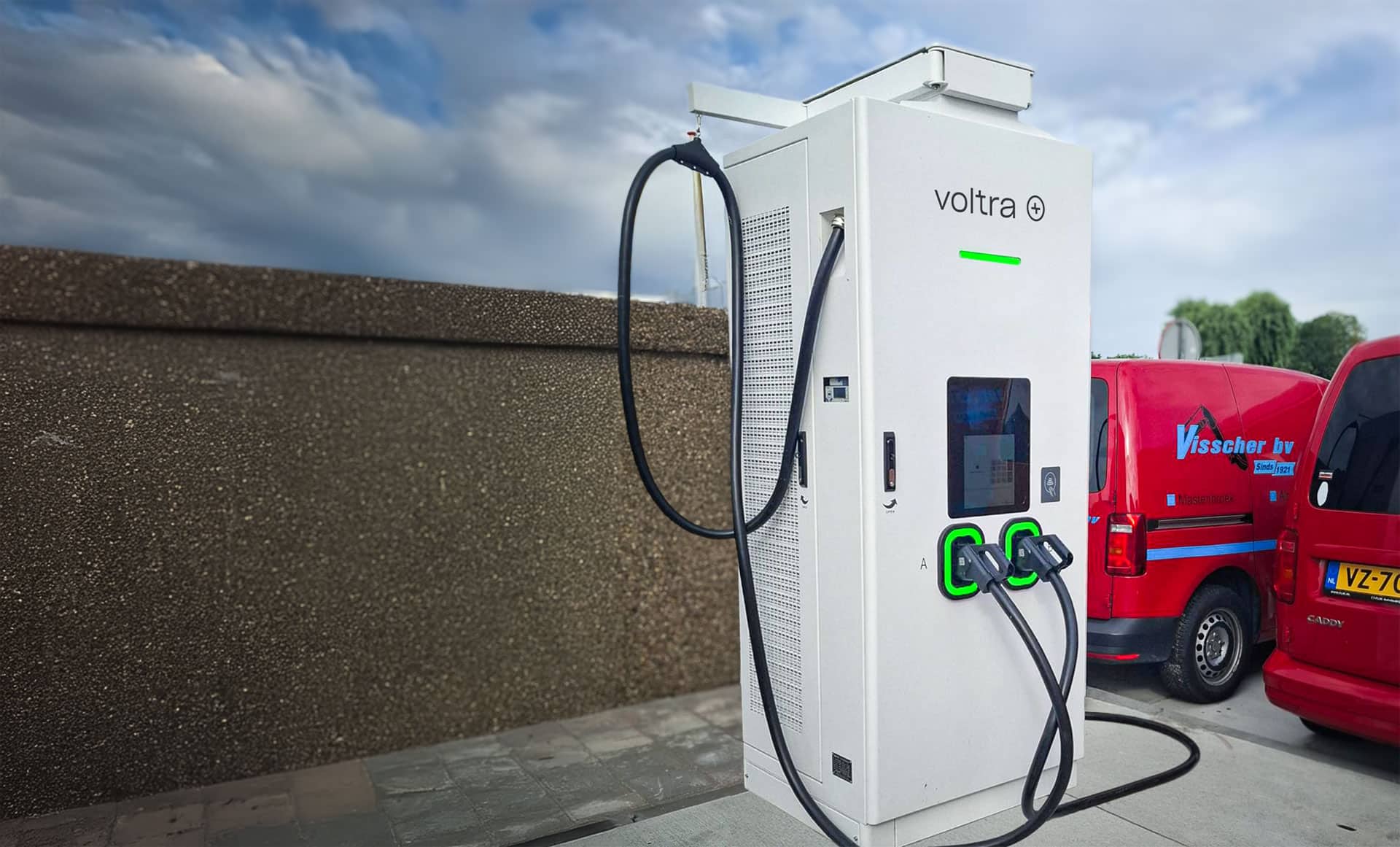
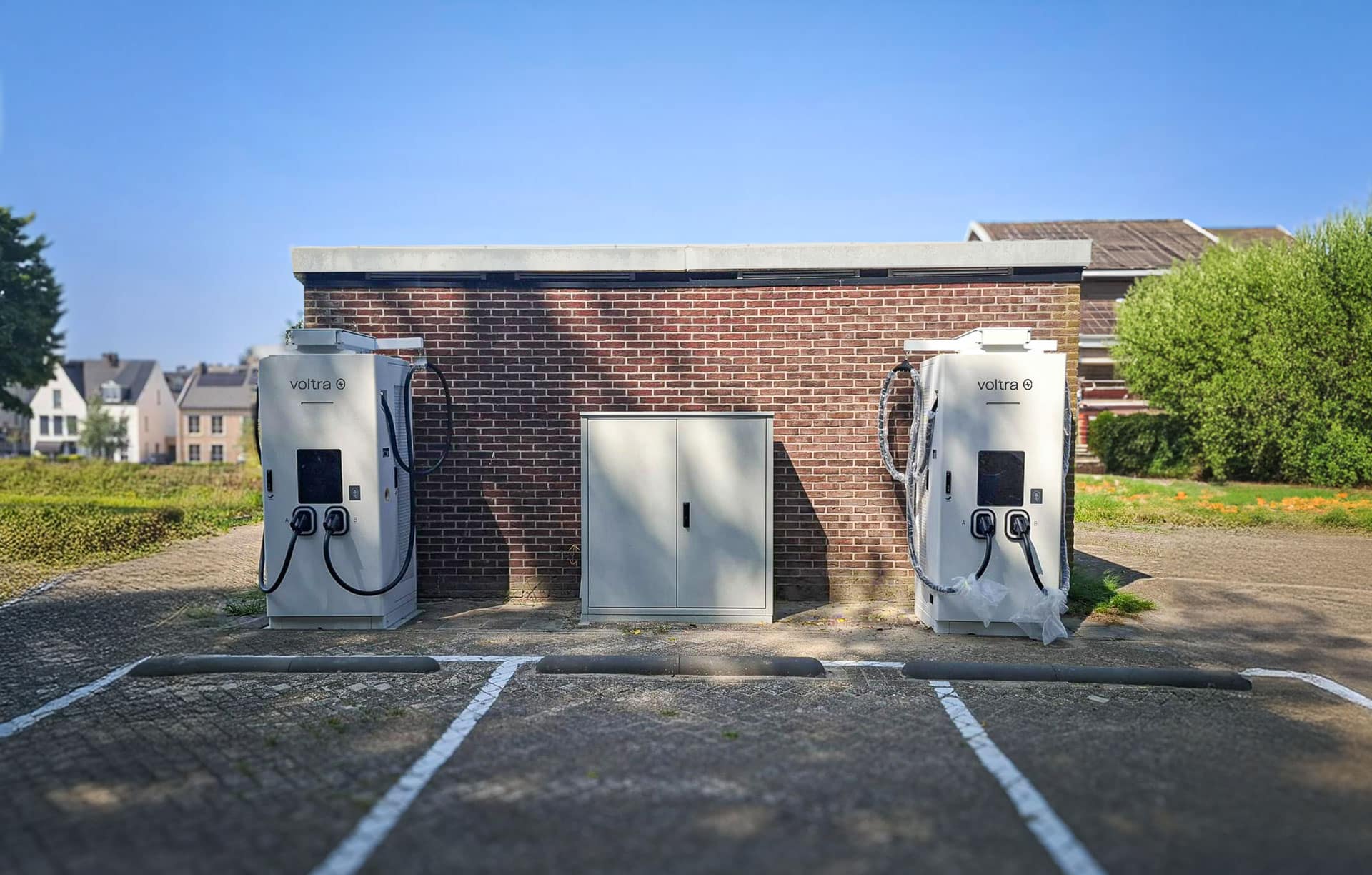
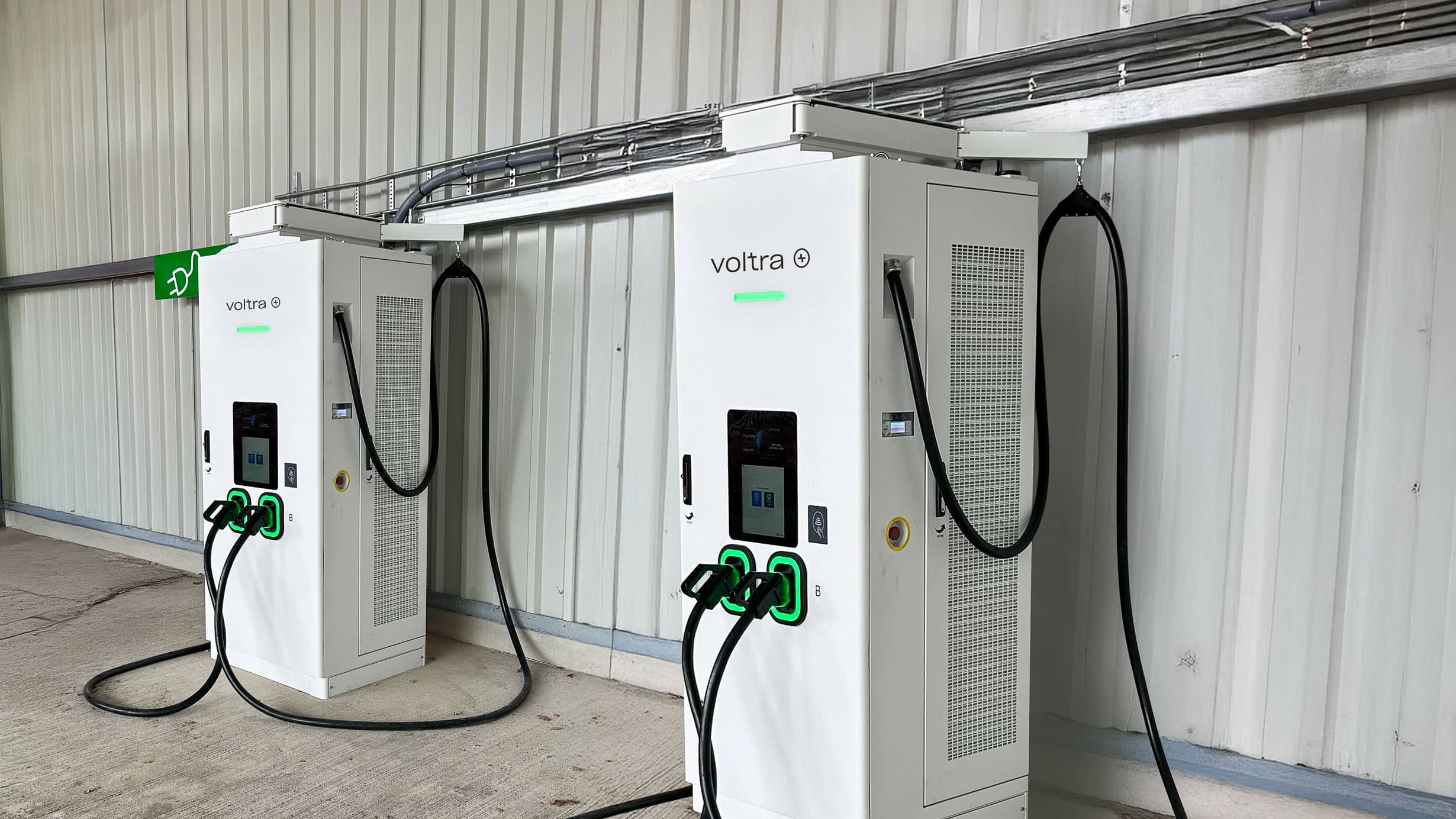
Two Voltra All-in-One fast chargers of 160 kW each have been installed at this unique location. These chargers were specifically selected to support suppliers and logistics partners driving electric trucks. The high power allows these heavy vehicles to charge efficiently and at high speed, which is essential for a completely emission-free logistics operation around the pumping stations.
All-in-One: Compact power in a monumental location
Working on a monumental site like Pumping Station De Zaayer requires solutions that respect the available space. The Voltra All-in-One systems offer the perfect solution here:
-
Minimal footprint: All technology is integrated into the charger itself, eliminating the need for additional distribution cabinets or separate power units on site. This preserves the appearance of the national monument.
-
Ready-to-use: The chargers are designed for intensive use and offer a robust solution for trucks that need to recharge a lot of energy in a short time.
- Modular growth: The Voltra 160kW charger is made up of 20kW power modules. This charger has the ability to expand to 240kW in the future as charging demand increases.
-
Future-proof network: This project in Maassluis is part of a larger Delfland initiative to realise charging infrastructure at several pumping station locations, creating a comprehensive network for electric work traffic.
Sustainable ambitions of Delfland
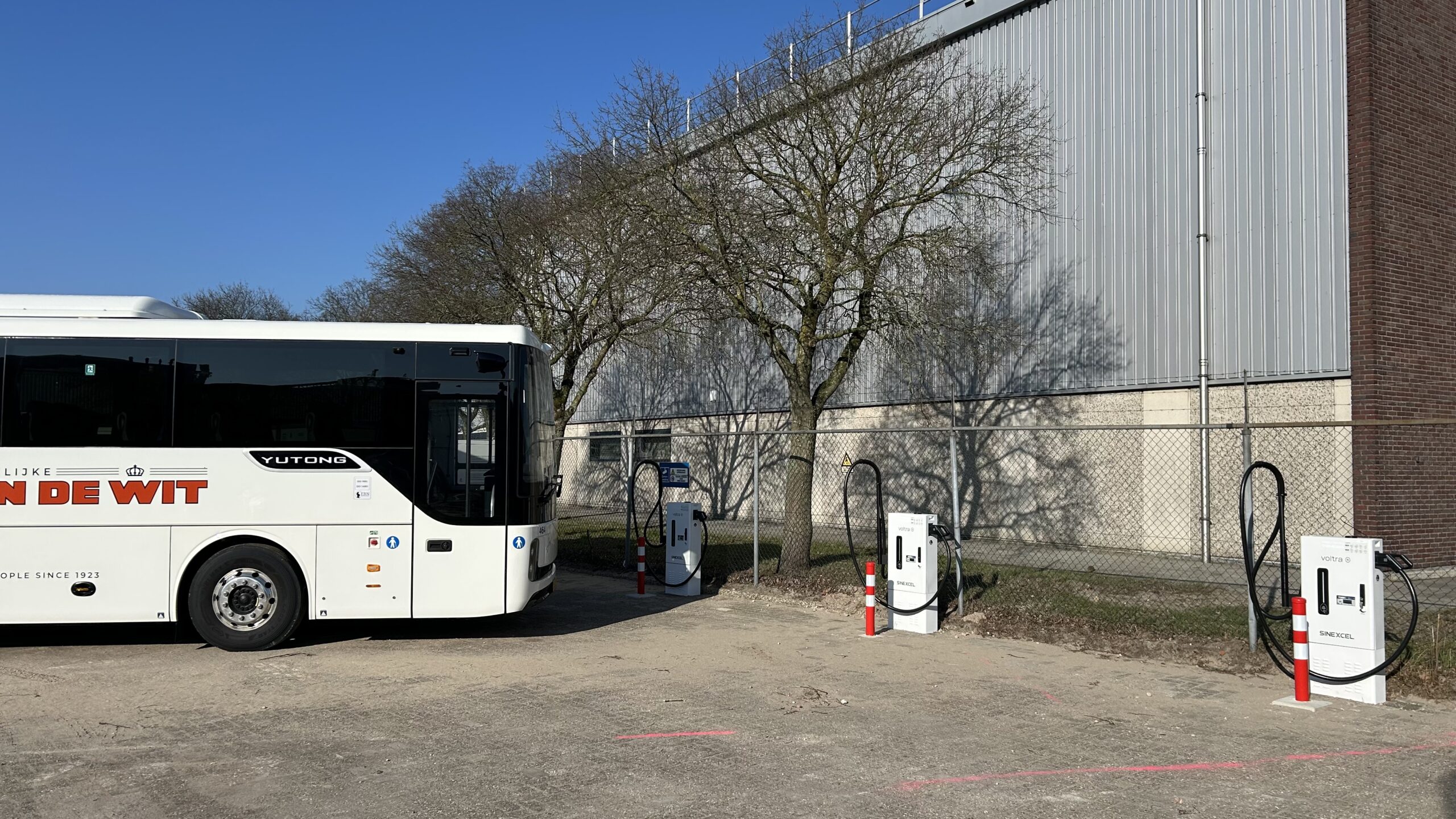
This project in Maassluis is part of a larger Delfland initiative to realise charging infrastructure at several pumping station locations, creating a covering network for electric work traffic. In doing so, they are taking a big step towards achieving its climate goals. By providing charging points suitable for both their own vehicles and those of suppliers, the entire chain will be encouraged to switch to electric transport.