Contents
From HBE to ERE in 2026
The transition to emission-free transport will gain new momentum in 2026. The current HBE (Renewable Fuel Units) system will give way to EREs (Emission Reduction Units). For transporters and logistics providers, this is more than an administrative change; it is a shift in how sustainable investments are rewarded.
Instead of the amount of energy (Gigajoules), from 2026 the actual CO₂ reduction is the focus.
Why the switch?
Since the introduction of RED III (European directive), the focus must be on achieving climate targets. Whereas an HBE stood for the amount of renewable energy, one ERE stands for exactly 1 kilogram of CO₂ emissions avoided in the entire chain.
This is good news for logistics: sectors that make the biggest contribution to CO₂ reduction - such as heavy road transport - can count on a more transparent and often more favourable valuation of their charging activities.
The main differences for logistics
| Feature | HBE (until the end of 2025) | ERE (from 2026) |
| Unit | Energy content (GJ) | CO₂ reduction (kg) |
| Focus | Volume of renewable fuel | Direct climate impact |
| Target group | Especially large oil companies | More accessible for fleet operators |
| Sectors | Country (generic) | Specific targets (Land, Sea, Air) |
Market forces: who pays the bill?
The ERE system is a market-based mechanism. This means that the price is not set by the government, but by supply and demand.
1. The 'Buyers': The Fuel Suppliers
Companies that put fossil fuels (diesel, petrol) on the Dutch market have an annual reduction obligation. They 'emit' through their customers and are legally obliged to offset those emissions by submitting a certain number of EREs to the Dutch Emissions Authority (NEa).
2. The 'Vendors': The Carriers and Operators
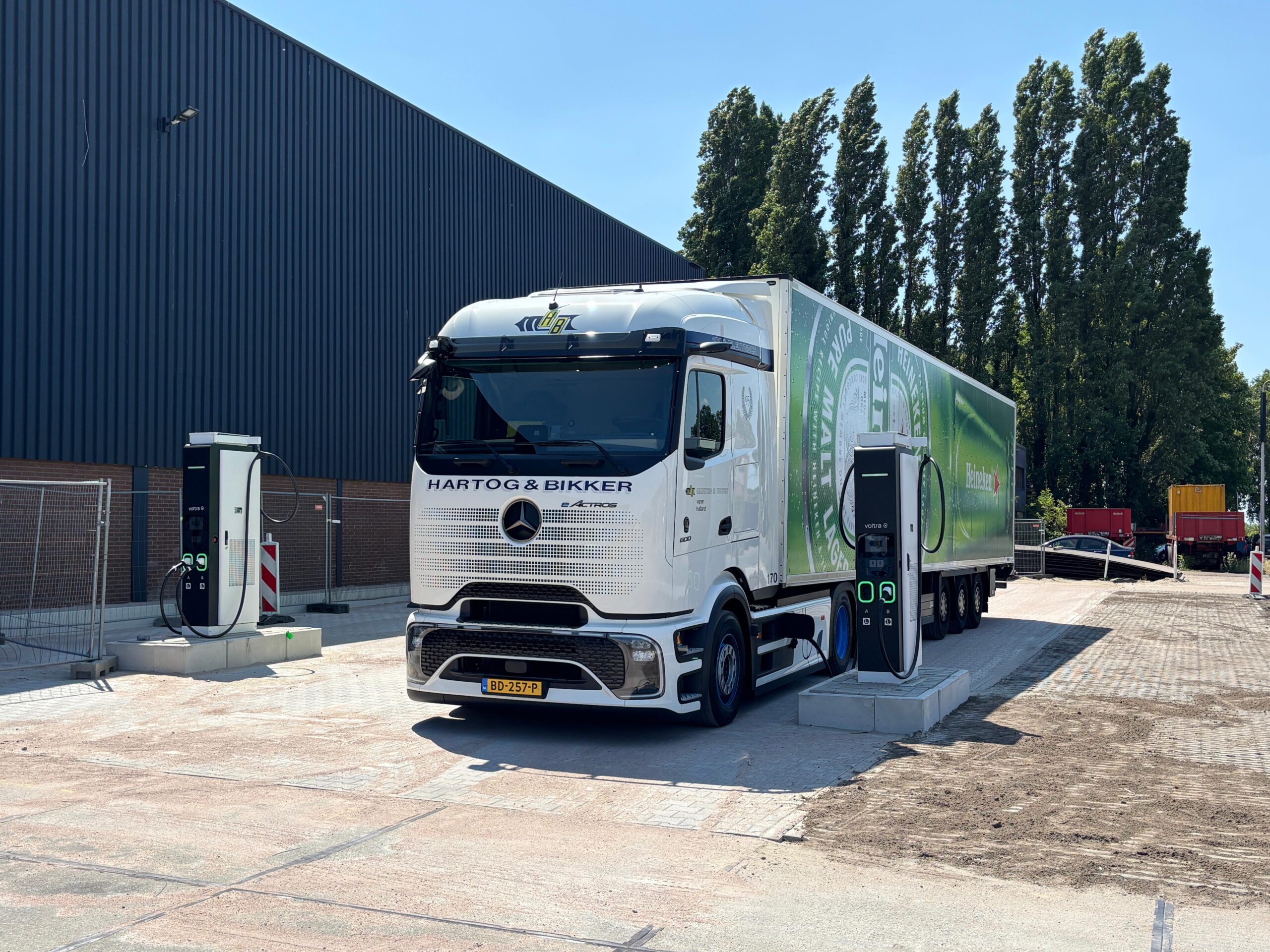
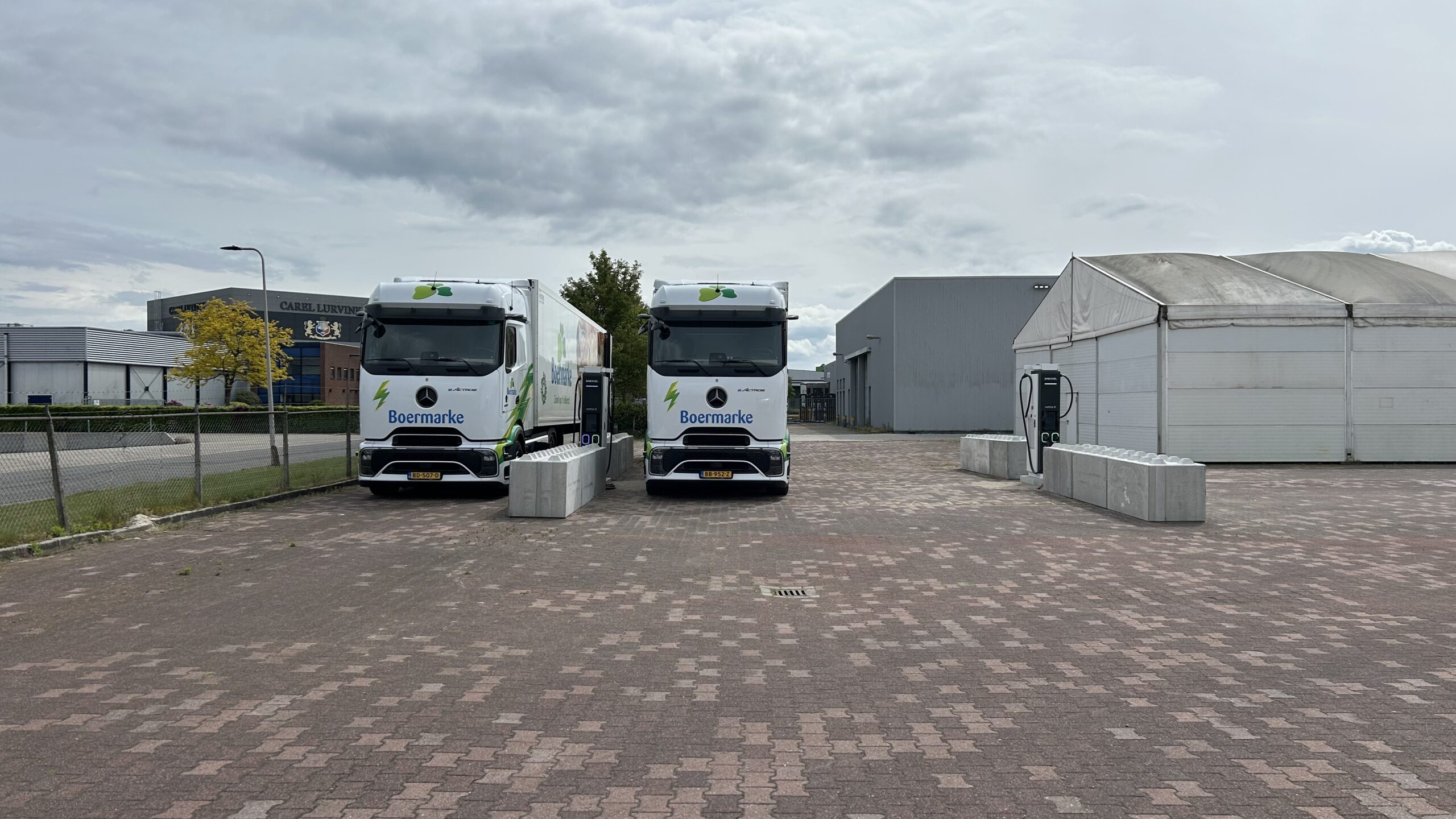
Companies that supply renewable energy to transport - such as a transporter with its own charging station or an operator of hydrogen filling stations - generate EREs. They sell these units on the open market to fuel suppliers.
Why a daily price? Because EREs are traded on an exchange, the value fluctuates daily. When climate targets for fuel suppliers become stricter (high demand) and there are few electric trucks (low supply), the price shoots up. This makes the business case for electric driving on paper different every day.
The role of the Charging Service Provider
Claiming and selling EREs is a complex process full of audits, reporting and strict deadlines from the NEa. Most carriers are logistics experts, not traders in emission allowances. This is where the booking service provider comes in.
What does a charging service provider do for you?
-
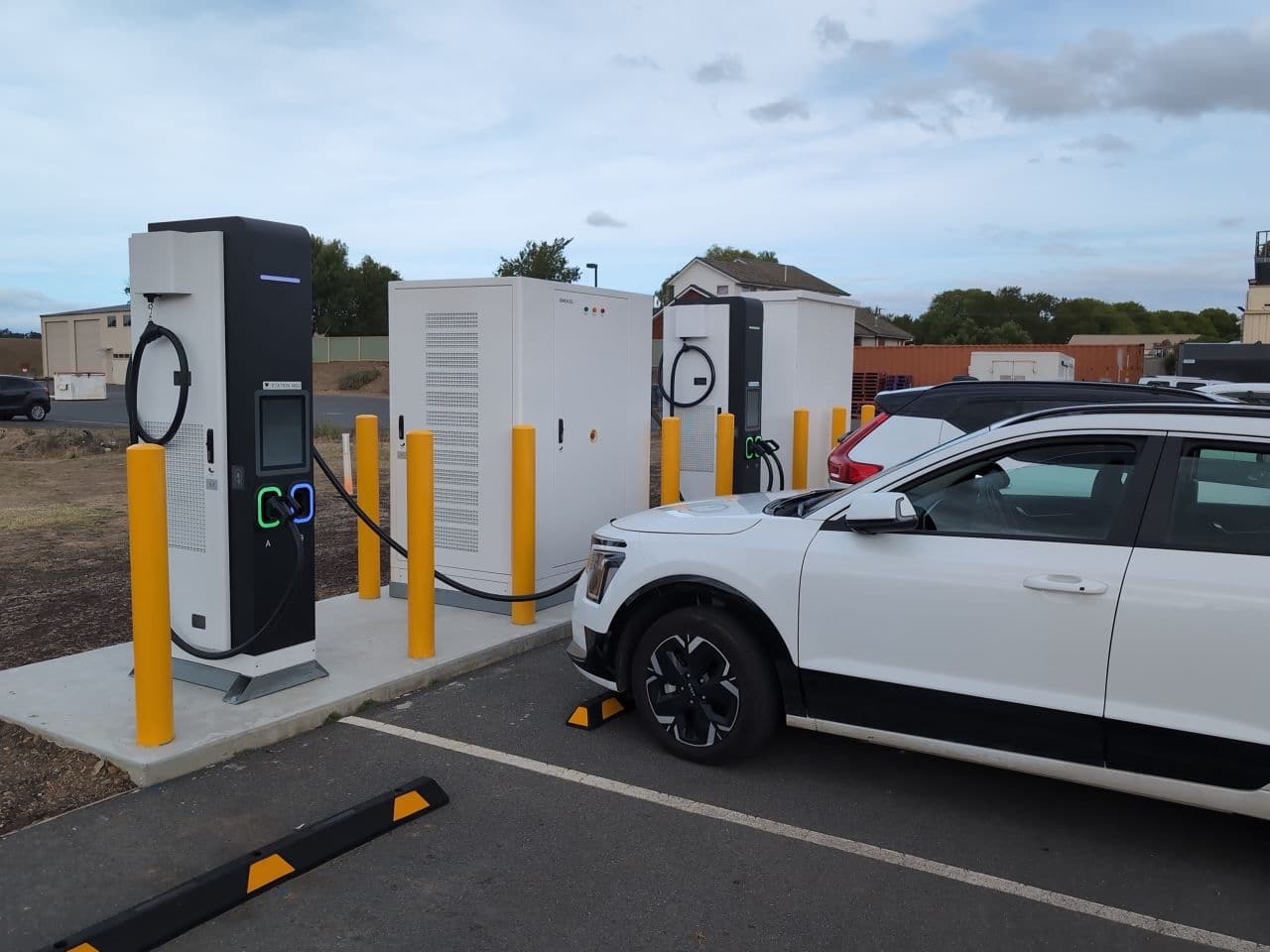
Data collection: They pull the charging data (kWh) directly from your charging stations.
-
Validation: they check whether the electricity is actually 'renewable' (e.g. via GvOs or their own solar panels).
-
Registration: They take care of the official registration with the NEa.
-
Trade: They bundle the EREs of different companies to make a better fist in the market and sell them at the most favourable daily price.
-
Payout: After deducting a service fee, you will receive the net proceeds.
Calculation example: 1 e-Truck (Heavy Duty)
Let's assume a common scenario for an electric tractor consuming 100,000 kWh annually via depot charging.
-
Conversion to EREs: In the current system, each kWh charged yields a specific amount of EREs, based on the emission factor of the electricity used. For 100,000 kWh to the grid (with the current mix of renewable and fossil), this results on average in a yield between €0.12 and €0.18 per kWh
-
Instant financial return: 100,000 kWh x €0.14 = €14,000 per year, per truck.
Charging with own generation
Efficiency increases significantly when the truck is charged directly with power from its own solar panels or batteries (without intervention from the public grid). As this power is demonstrably 100% renewable, the ERE system assigns a higher value to it.
In this scenario, the fee could rise to €0.15 to €0.20 per kWh. For the same truck, this means an annual revenue of €15,000 to as much as €20,000.
The Transitional Scheme: what happens to old HBEs?
Companies that still have HBEs in their accounts from the year 2025 need not fear that they will be lost:
- Automatic conversion: HBEs remaining after 1 May 2026 will be converted to EREs by the Netherlands Emissions Authority (NEa).
- Conversion factor: A calculation factor of about 1:46 (1 HBE becomes about 46 EREs) is applied to bridge the transition from Gigajoules to kilograms of CO₂.